Premium Knitwear Manufacturer
Merino, wool-cashmere and cotton knitwear for womenswear and menswear — from 14-gauge fine knits to chunky cables, fully fashioned or cut and sewn.
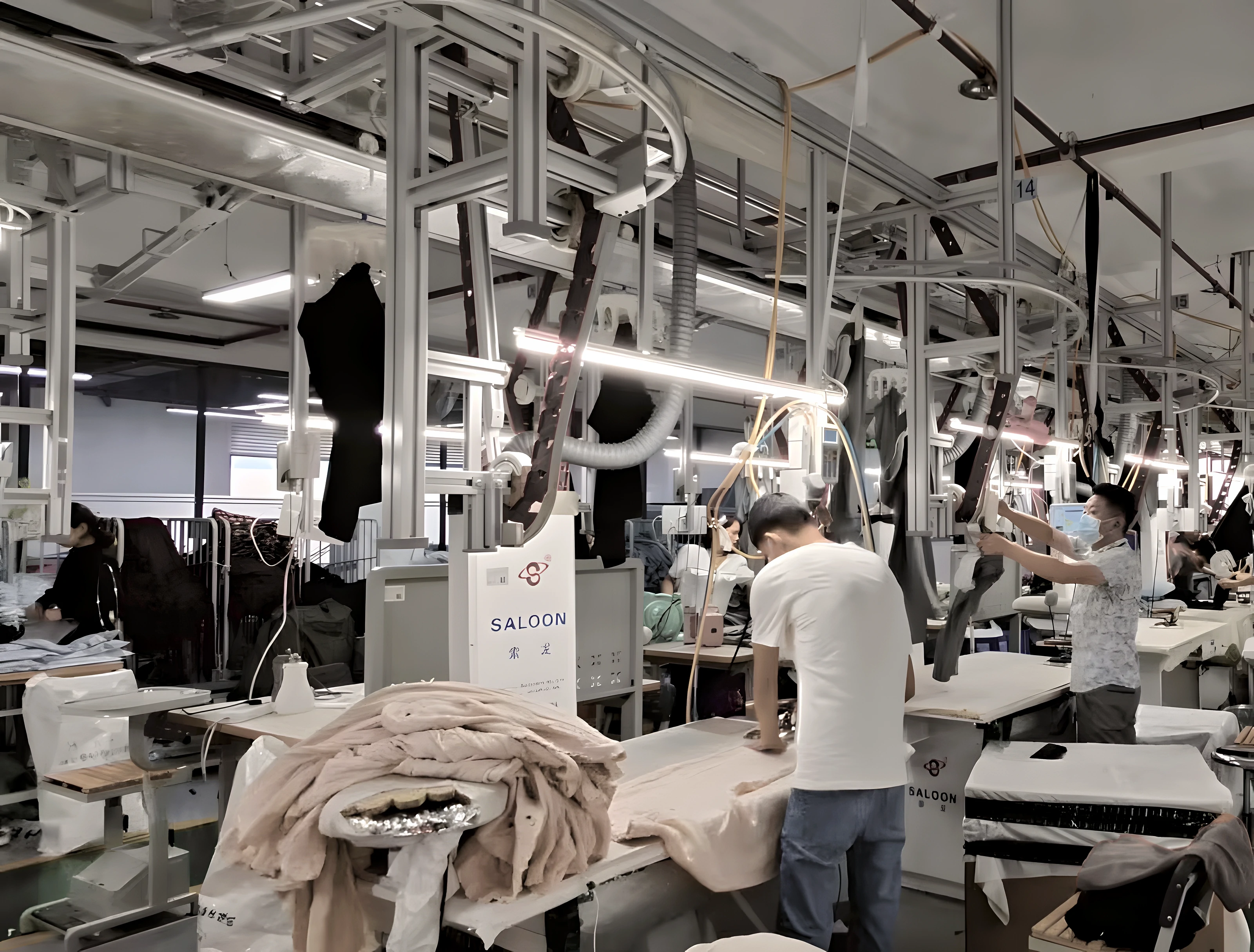
Knitwear starts with the yarn.
In knitwear, the yarn is the fabric. Fibre, micron, twist and finishing decide handfeel, pilling and how a sweater ages. MANLOR develops knitwear by agreeing yarn, gauge and stitch structure first, then knitting swatches for approval before any garment programme is written.
Fully-fashioned knitting shapes panels on the machine for clean, linked seams and less waste; cut-and-sewn construction suits jersey-led styles. We recommend the method per style rather than defaulting to one.
Women's and men's knitwear share yarns but not patterns. Women's knits are graded on a narrower shoulder with more shaping at bust and waist, and often run in finer gauges and cropped or fluid lengths; men's knits need a longer body, broader shoulder and rib that holds after washing. Each is developed on its own block, not resized from the other.
For merino knitwear, the micron, spinning and anti-pilling finish are agreed before sampling, because they decide whether a fine-gauge piece still looks new after a season of wear.
Knitwear range.
-
01
Fine-gauge knits
12–14 gauge merino tops, polos, crews and cardigans.
-
02
Cable & textured sweaters
5–7 gauge cables, ribs and textured stitches in wool and wool-cashmere.
-
03
Cardigans & co-ords
Knitted cardigans, knit skirts and matching sets.
-
04
Knitted polos
Fully-fashioned polos with knitted collars and plackets.
-
05
Cut-and-sewn jersey
Jersey T-shirts and piqué polos are a separate programme, not fully-fashioned knitwear.
Women's vs men's knitwear.
| Women's knitwear | Men's knitwear | |
|---|---|---|
| Typical gauges | 12–14 gg fine knits; 5–7 gg cables for outer layers | 12 gg merino polos and crews; 5–7 gg cables and ribs |
| Block | Narrower shoulder, bust and waist shaping, cropped or longline | Broader shoulder, longer body and sleeve, straight side seam |
| Key risk | Fluid yarns growing in length after washing | Collars and rib losing recovery |
| What we test | Length growth after washing, pilling | Rib recovery, collar shape, pilling |
Reference practice, not a guarantee for every yarn; results are confirmed on your approved yarn lot.
Knitwear standards.
Swatch approval
Yarn, gauge, stitch and colour approved on knitted swatches before sampling.
Linked seams
Fully-fashioned panels are linked for a clean inside and stable shoulders.
Wash & pilling checks
Washing finish and pilling performance confirmed on the approved yarn lot.
Developed at MANLOR.
Starting points for your own development — every style is adapted in fabric, fit and detail. Each card is a crawlable path into the library.
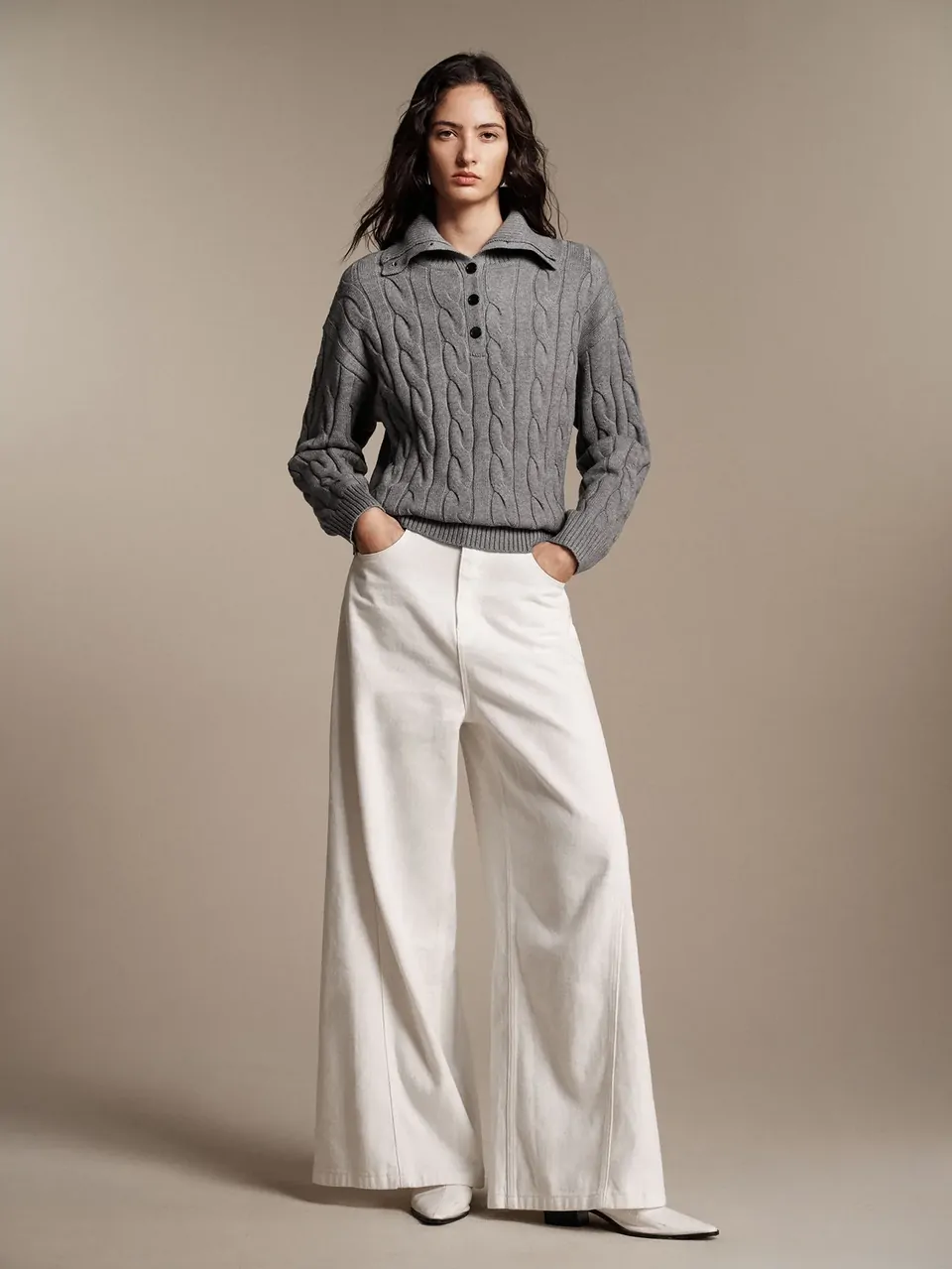
Grey Cable-Knit Henley Sweater
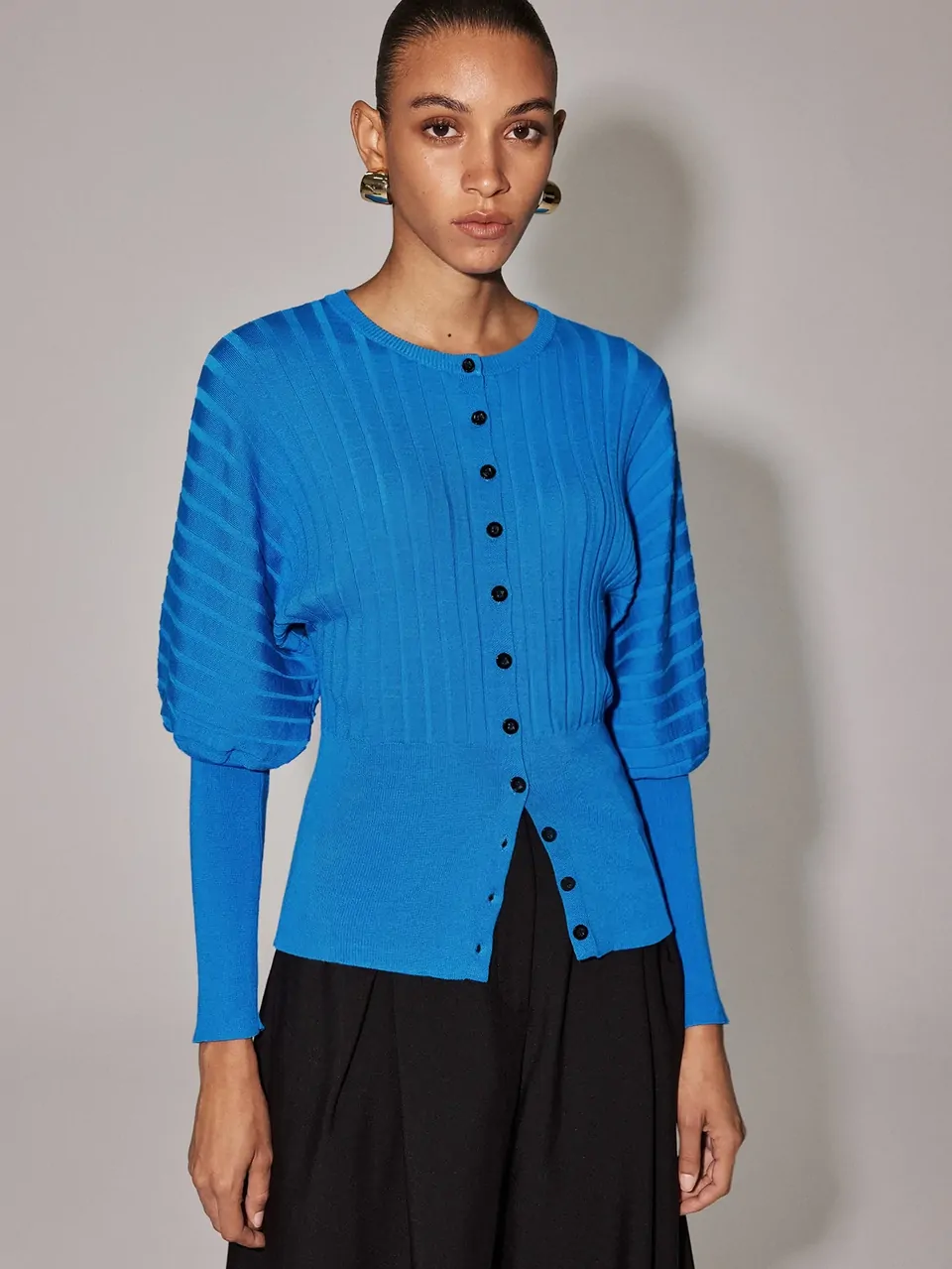
Cobalt Rib-Knit Button-Front Cardigan
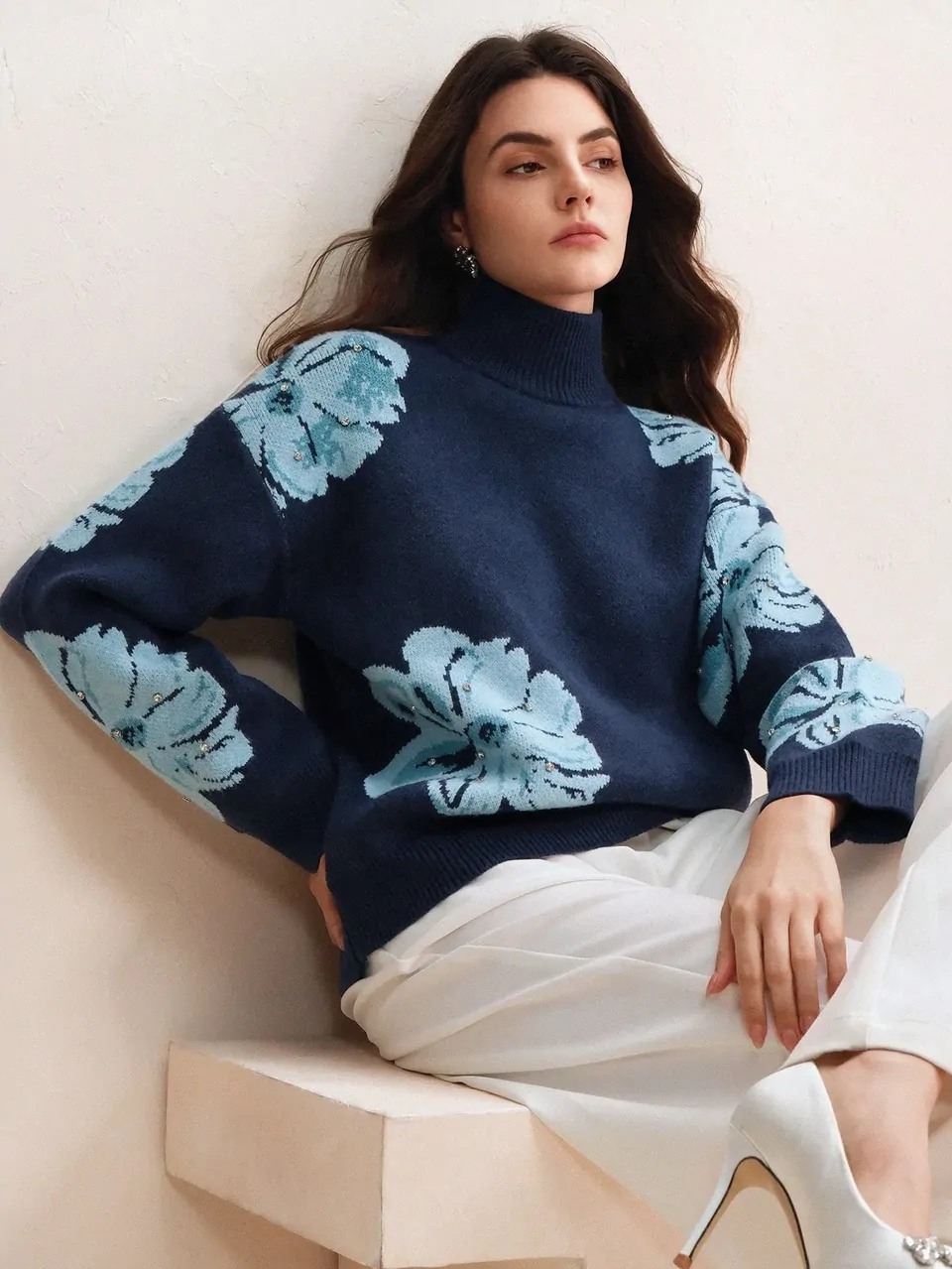
Navy Floral Intarsia Turtleneck
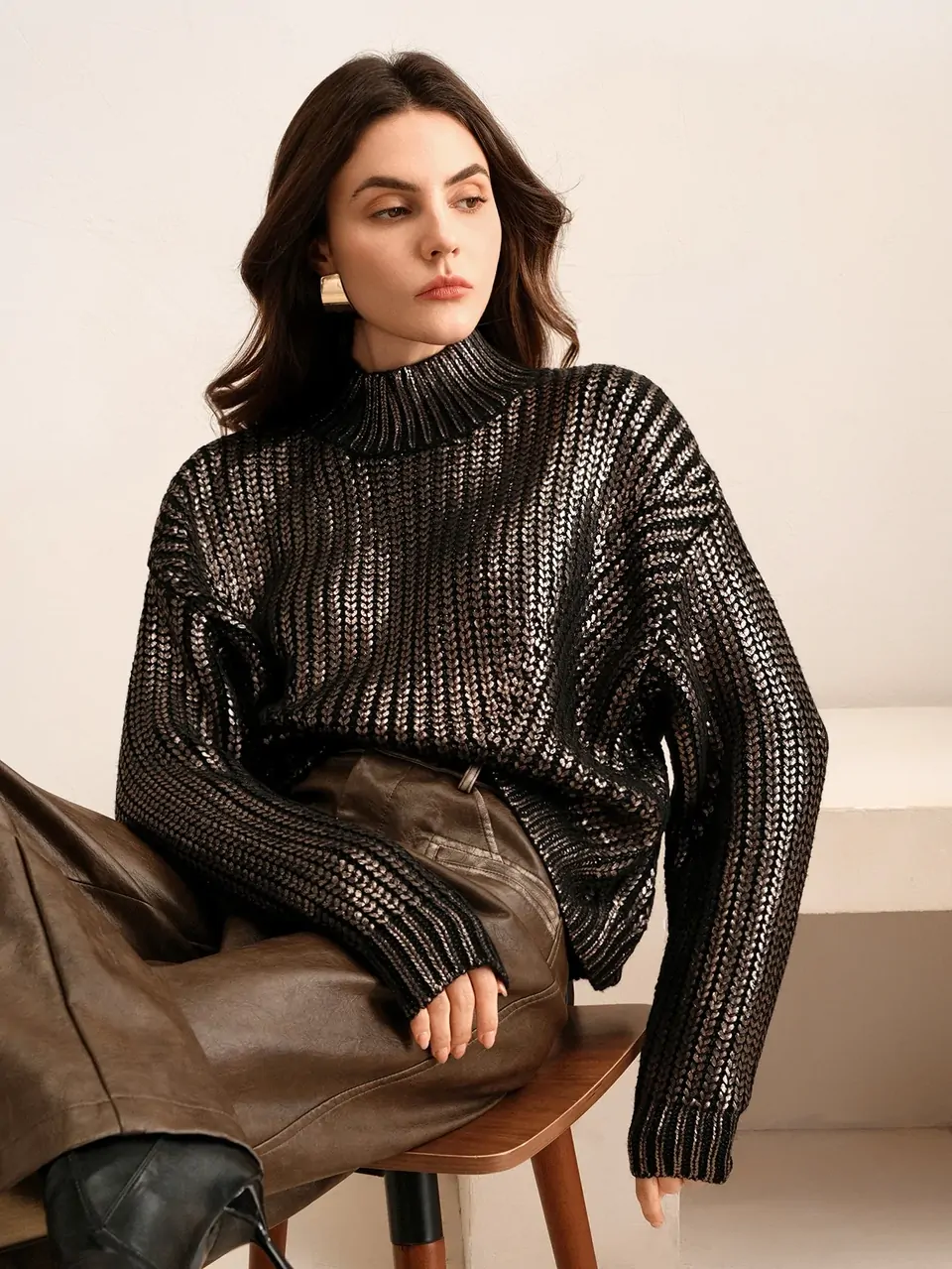
Metallic Rib-Knit Funnel-Neck Sweater
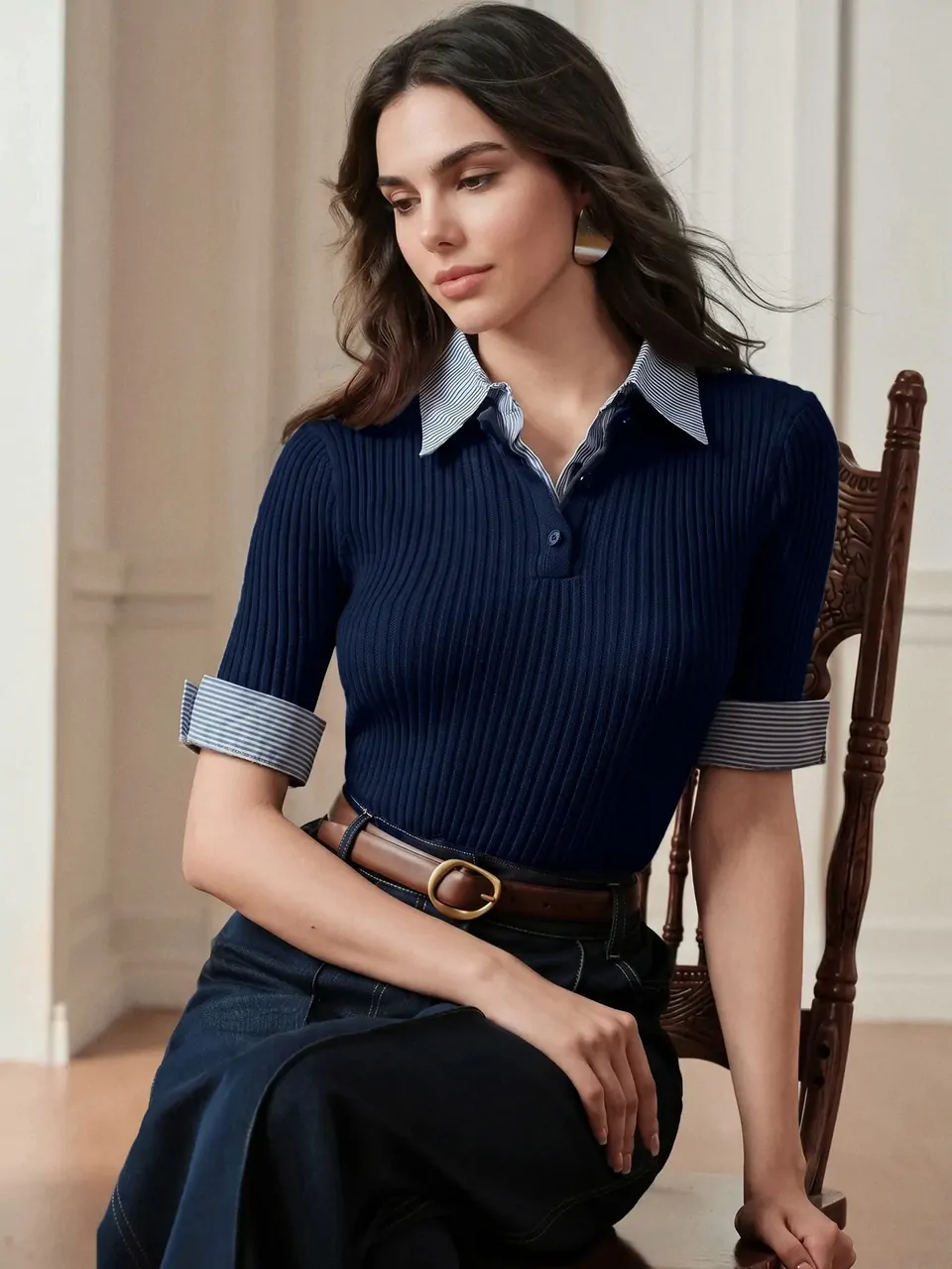
Navy Chambray-Collar Rib Polo
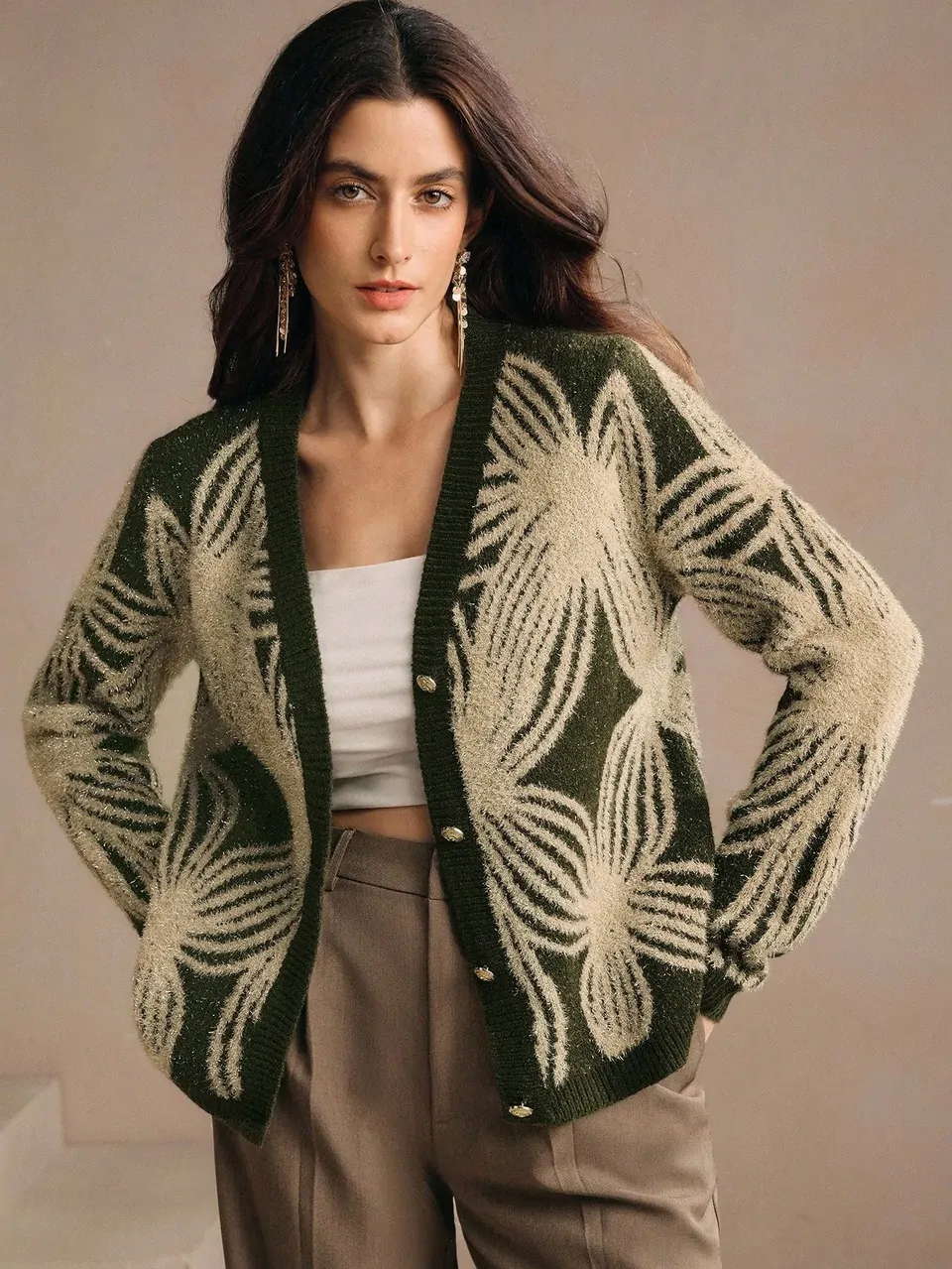
Forest Leaf-Jacquard Knit Cardigan
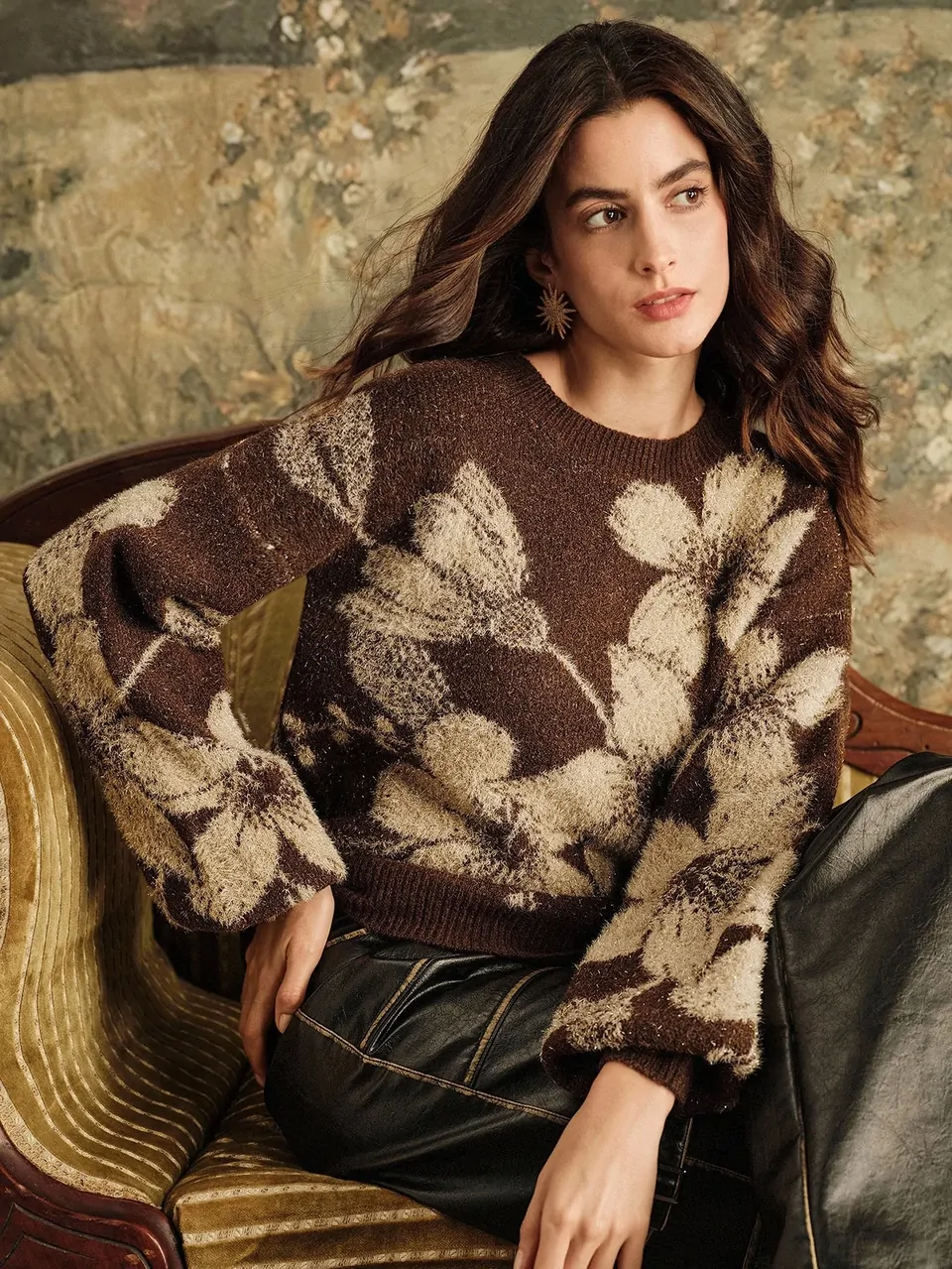
Brown Floral Jacquard Knit
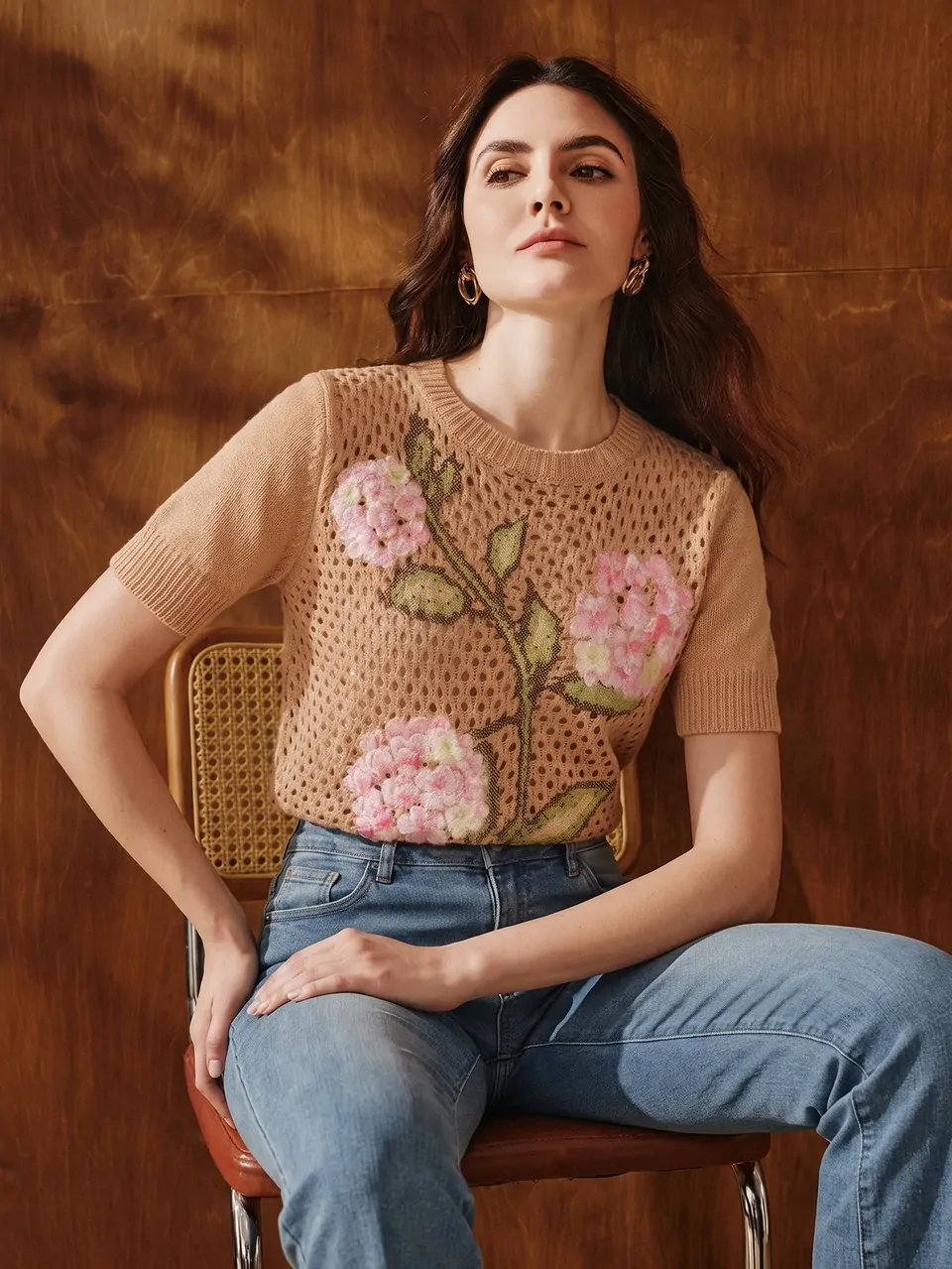
Camel Embroidered Pointelle Knit Vest
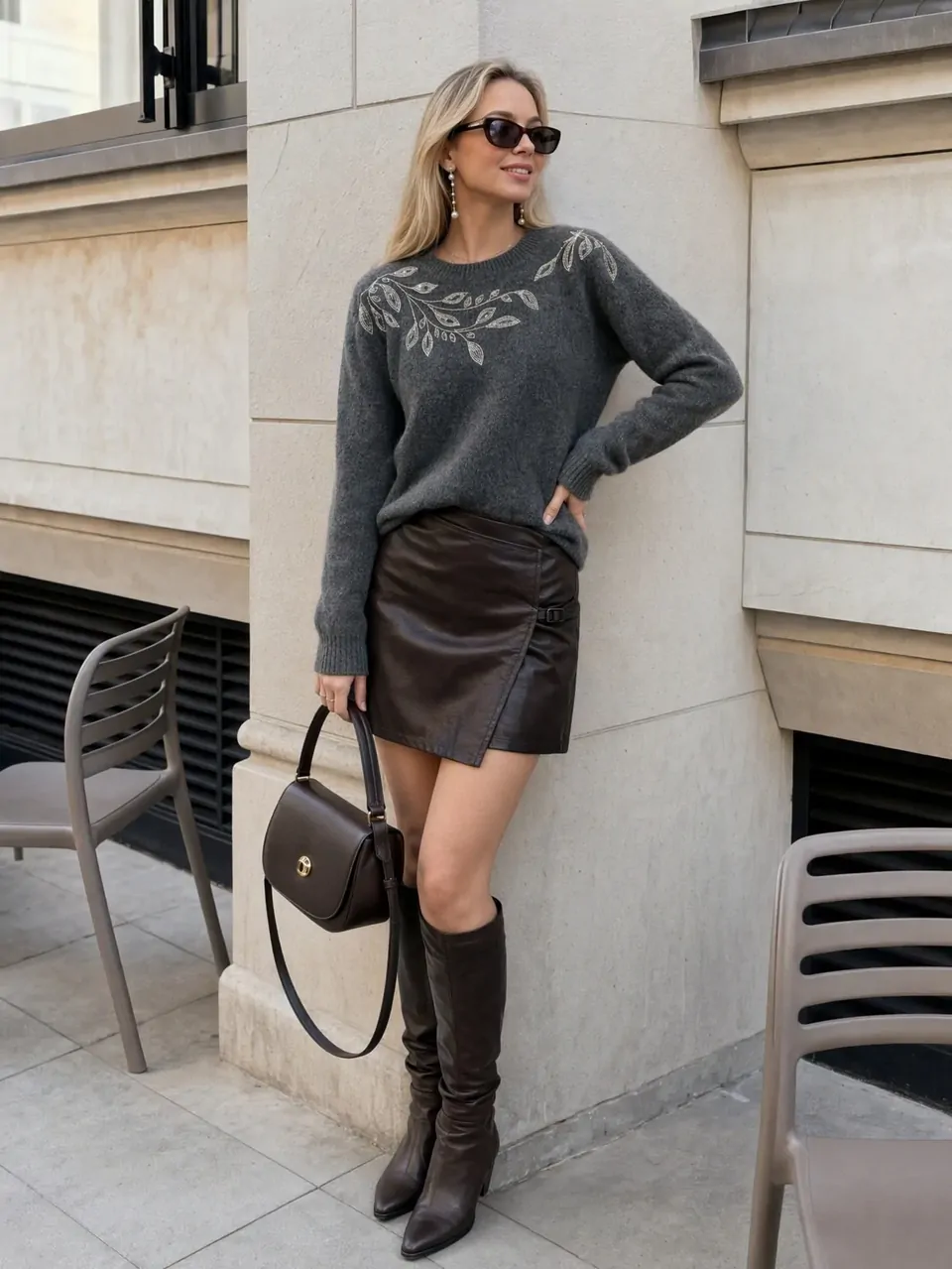
Charcoal Leaf-Embroidered Sequin Sweater
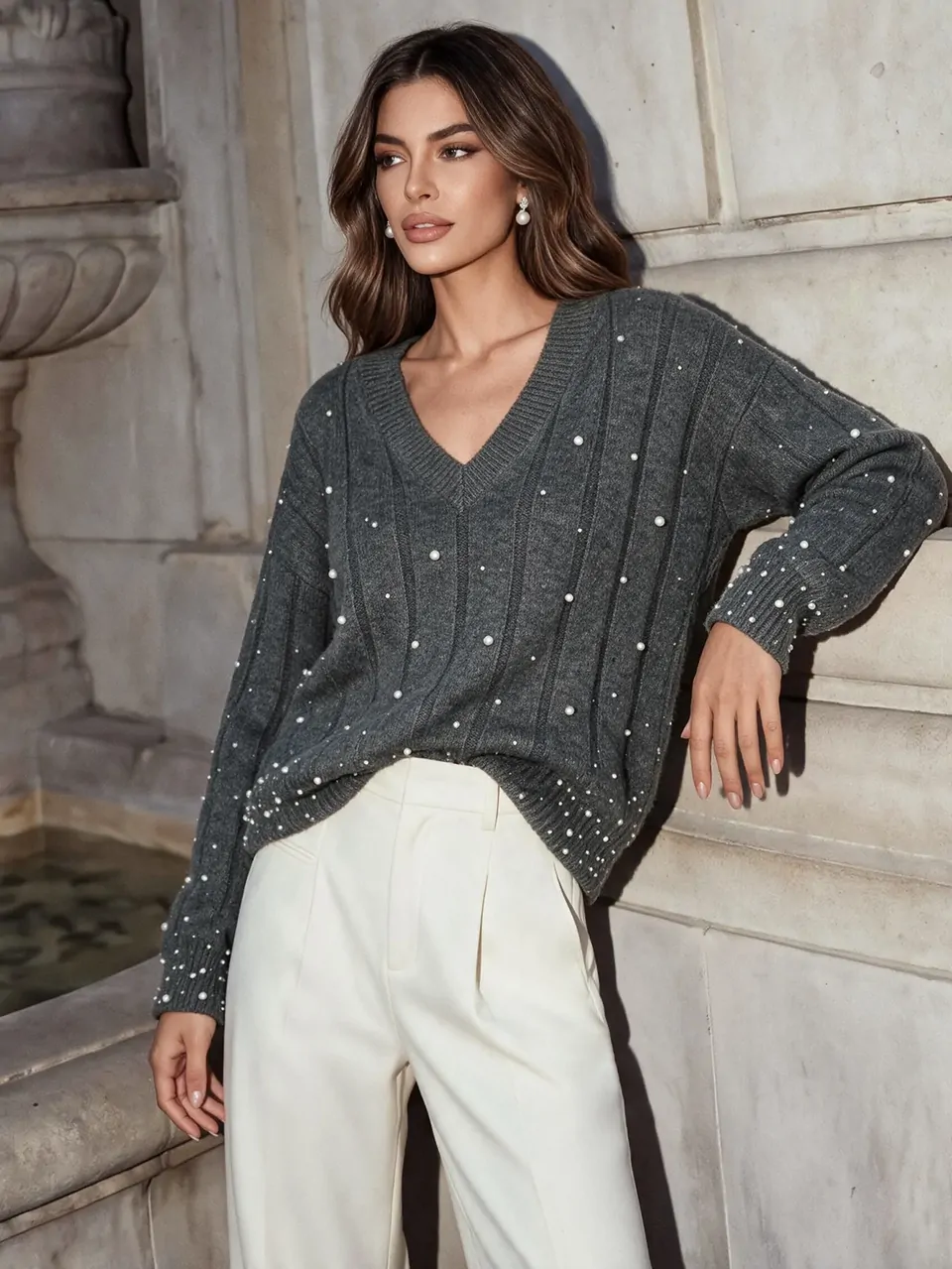
Charcoal Embellished V-Neck Sweater
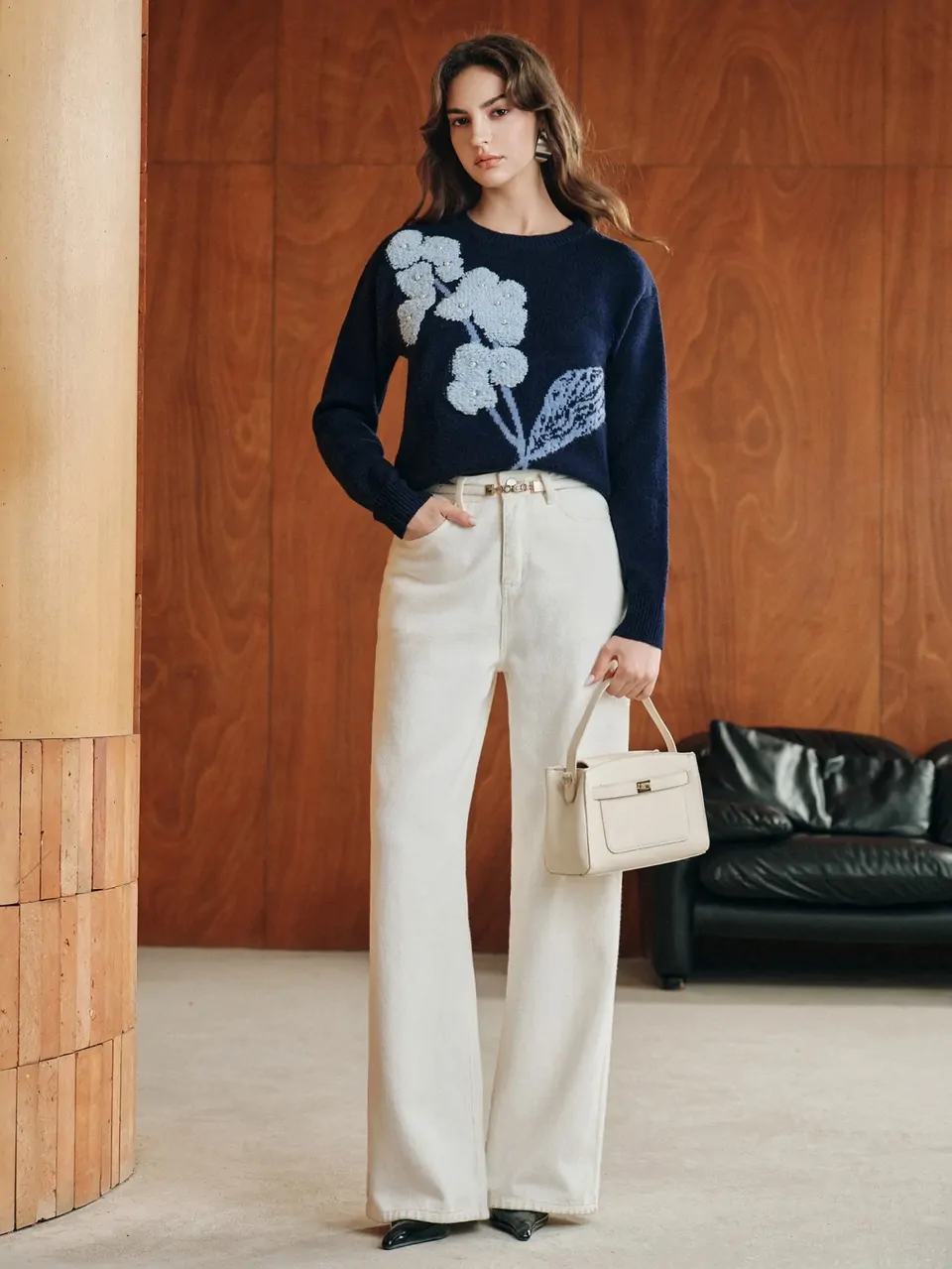
Navy Floral Intarsia Crew
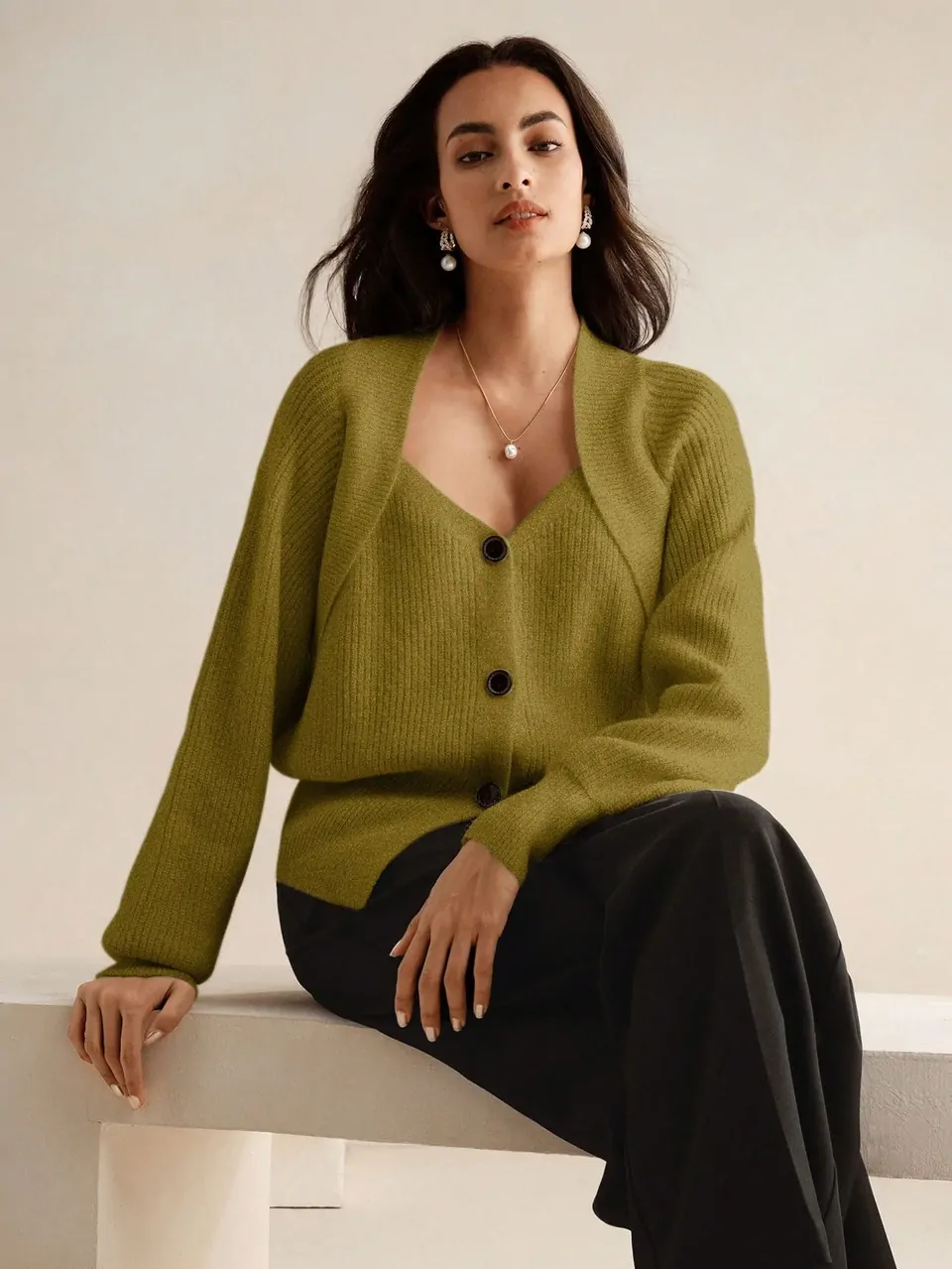
Chartreuse Rib-Knit Cardigan
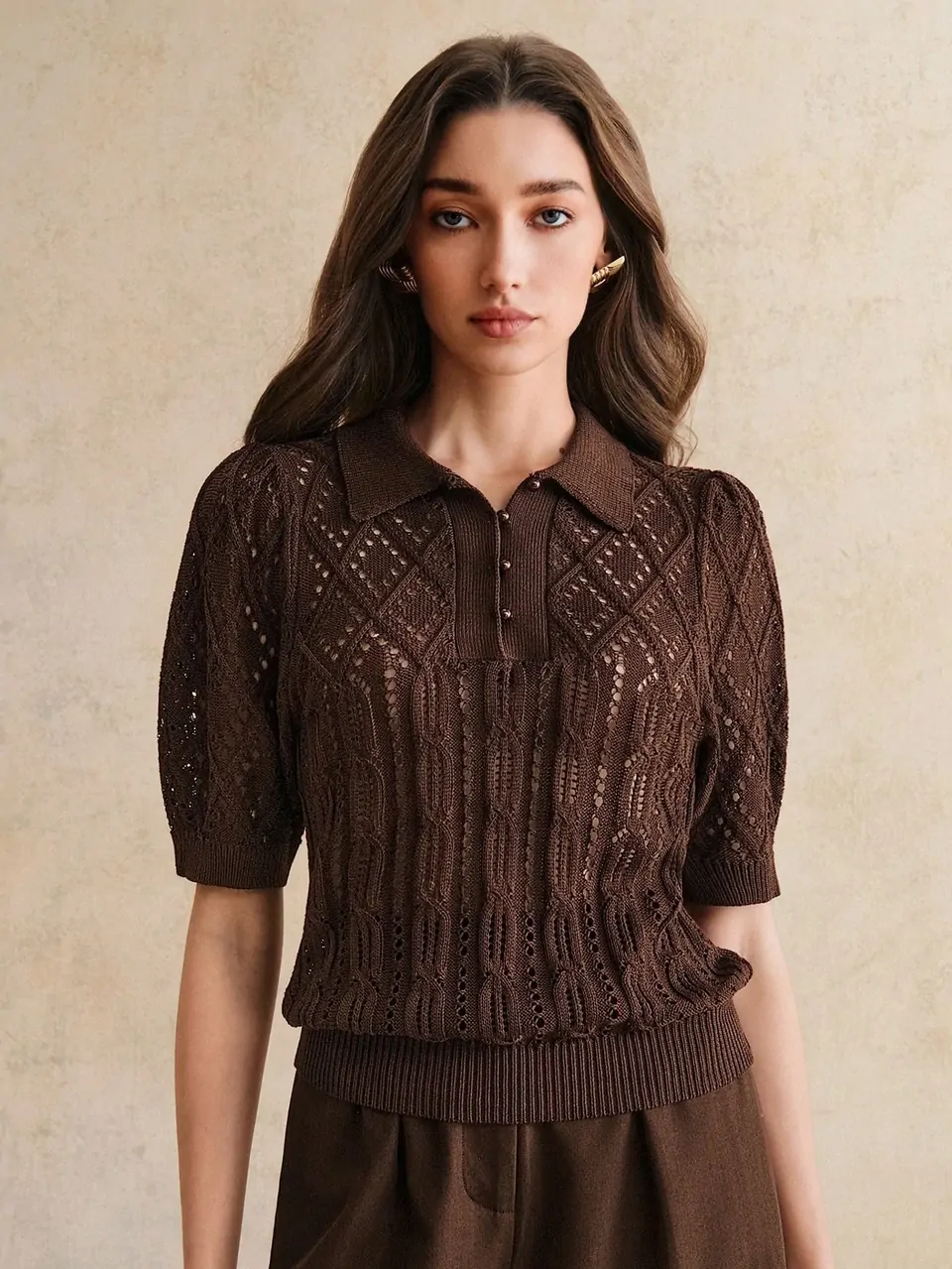
Chocolate Pointelle Knit Polo
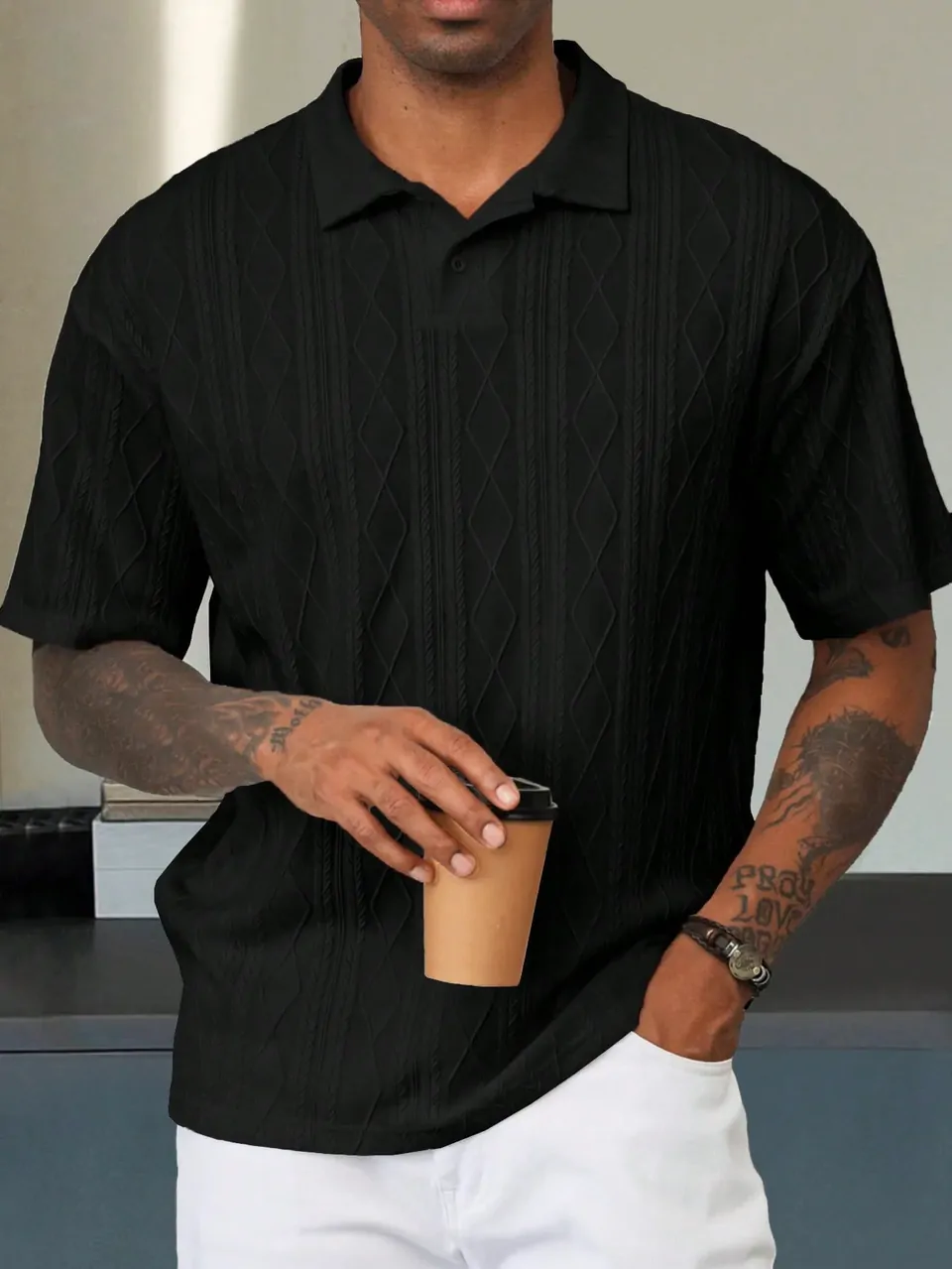
Black Knit Jacquard Sweater
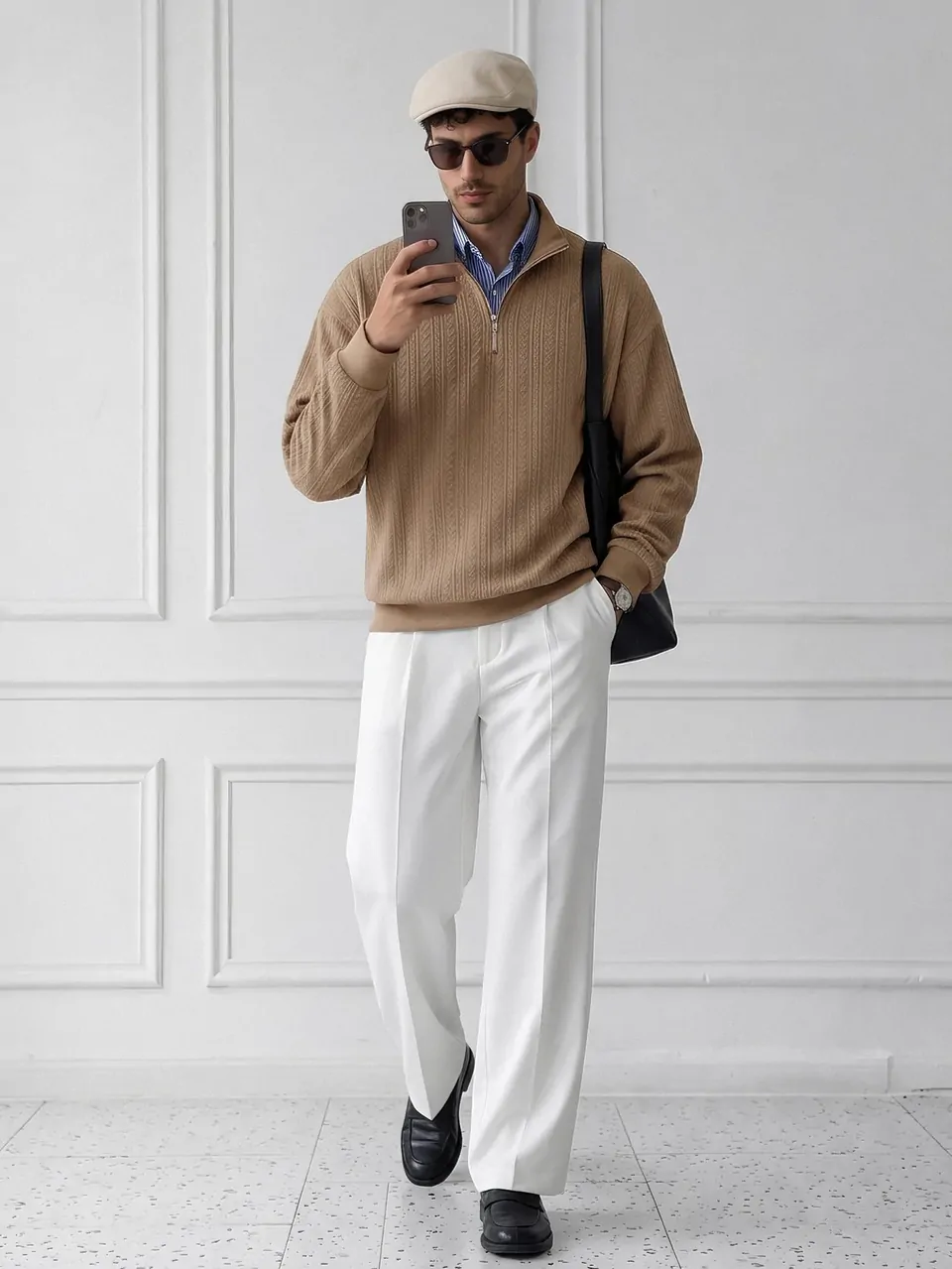
Cable Knit Half-Zip Stand-Collar Sweater
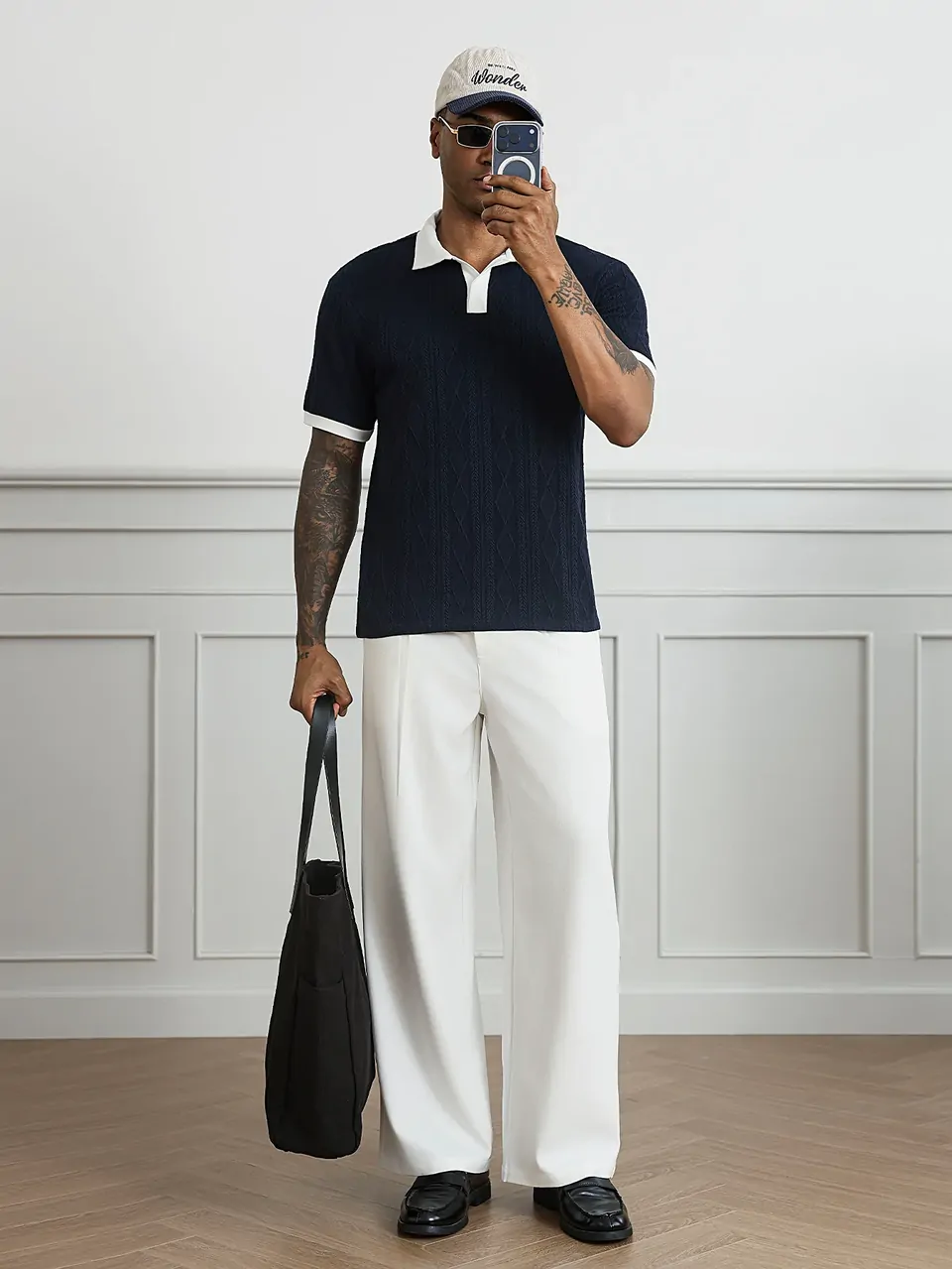
White Knit Contrast Textured Sweater
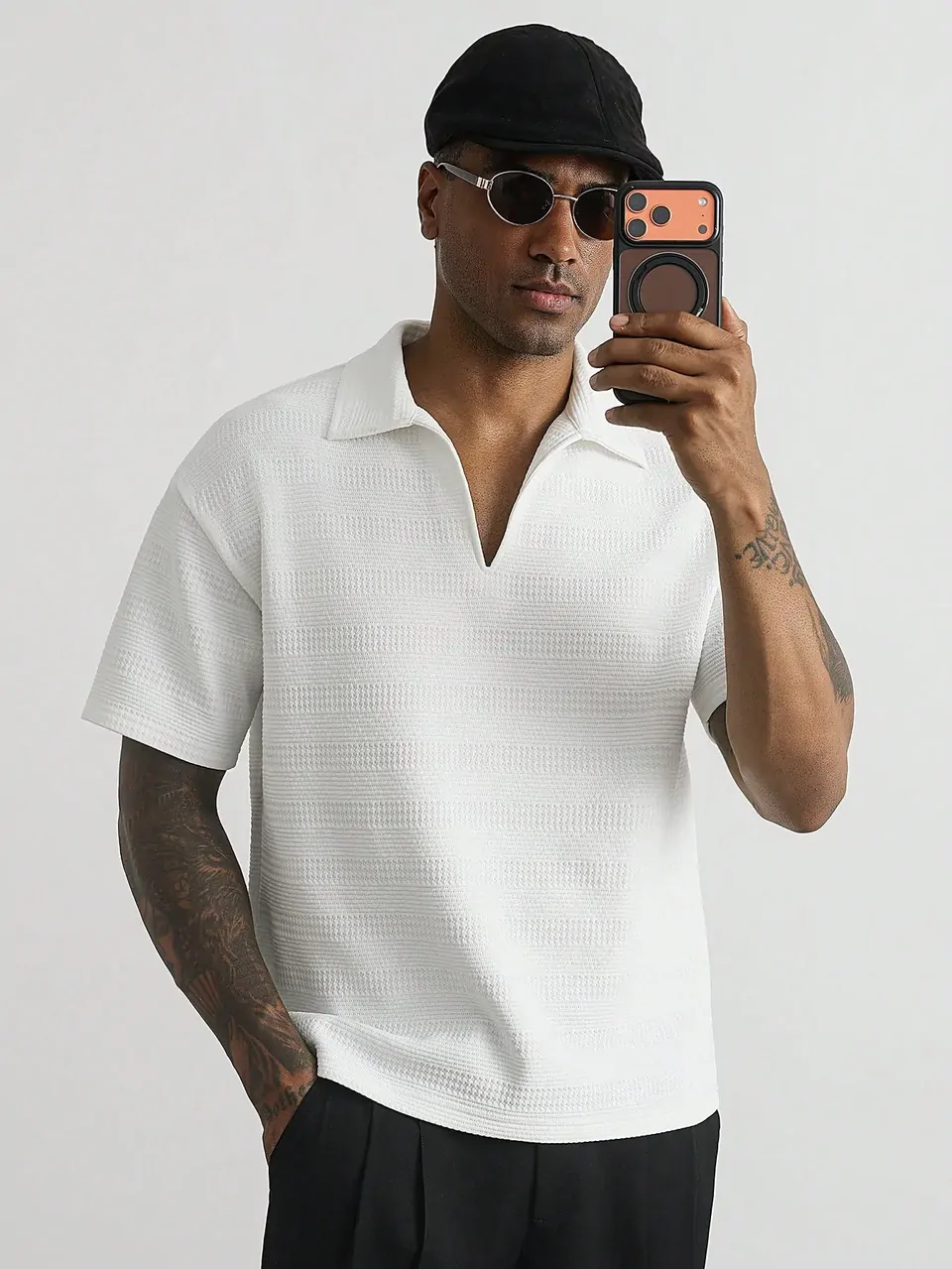
Striped V-Neck Textured Sweater
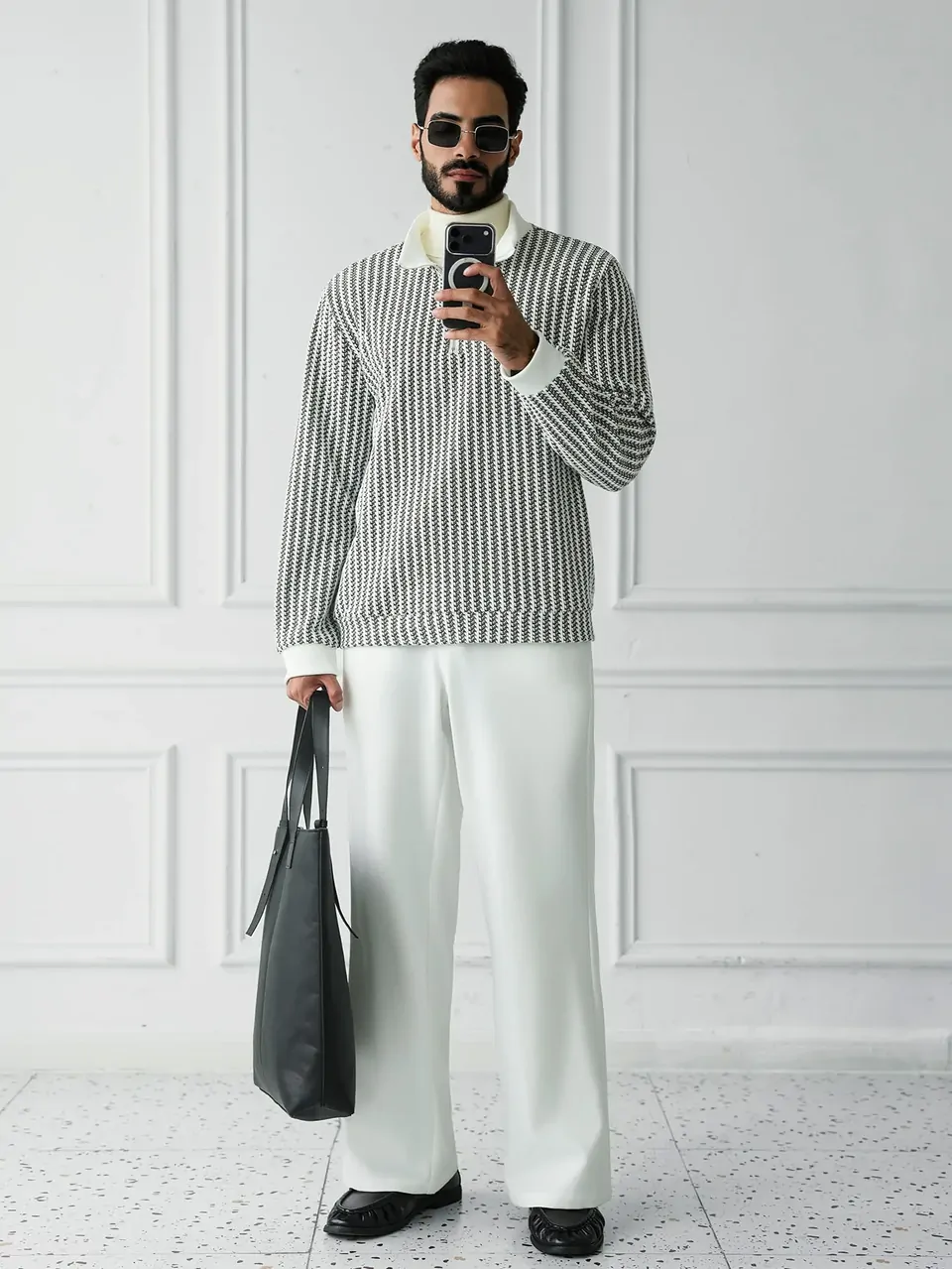
White Knit Half-Zip Stand-Collar Sweater
Recommended qualities.
Reference fabrics from our library — or develop your own.
Custom fabric developmentKnitwear FAQ.
Do you make fully-fashioned knitwear?
Yes. Fully-fashioned and cut-and-sewn constructions are both available; we recommend the method per style based on design, gauge and cost.
Which yarns do you work with?
Merino, lambswool, wool-cashmere blends and cotton are our core yarns. Specific spinners and certified yarns can be sourced on request.
Can you develop private label knitwear?
Yes. Our private label knitwear programme starts from proven base styles customised in yarn, colour, trims and labels.
Go deeper.
Woven vs Knitwear Manufacturing
Wovens and knitwear are developed in fundamentally different ways. Planning them as one process is a common cause of missed dates and fit problems.
Read the guideGuide · 8 min readHow Clothing Manufacturer MOQ Works
A manufacturer's MOQ is rarely arbitrary. It is the quantity at which fabric minimums, line set-up and sampling cost make a style viable. Understand the drivers and you can plan around them.
Read the guideGuide · 7 min readAvoiding Colour Variation
Shade variation is one of the most visible quality failures — within a garment, between garments in a store, or between a re-order and the first delivery.
Read the guideDevelop your collection.
Send sketches, references or tech packs — our development team replies with questions, fabric options and a sampling plan.
What are you looking to develop?
Develop Your Knitwear