100–150 Piece Small-Batch Clothing Manufacturer
A premium small-batch clothing manufacturer for capsules, test styles and re-orders. Where the fabric is in stock or a market quality, a typical starting quantity is 100–150 pieces per style. The number moves with cloth, colour count and construction, and it is confirmed in writing before sampling.
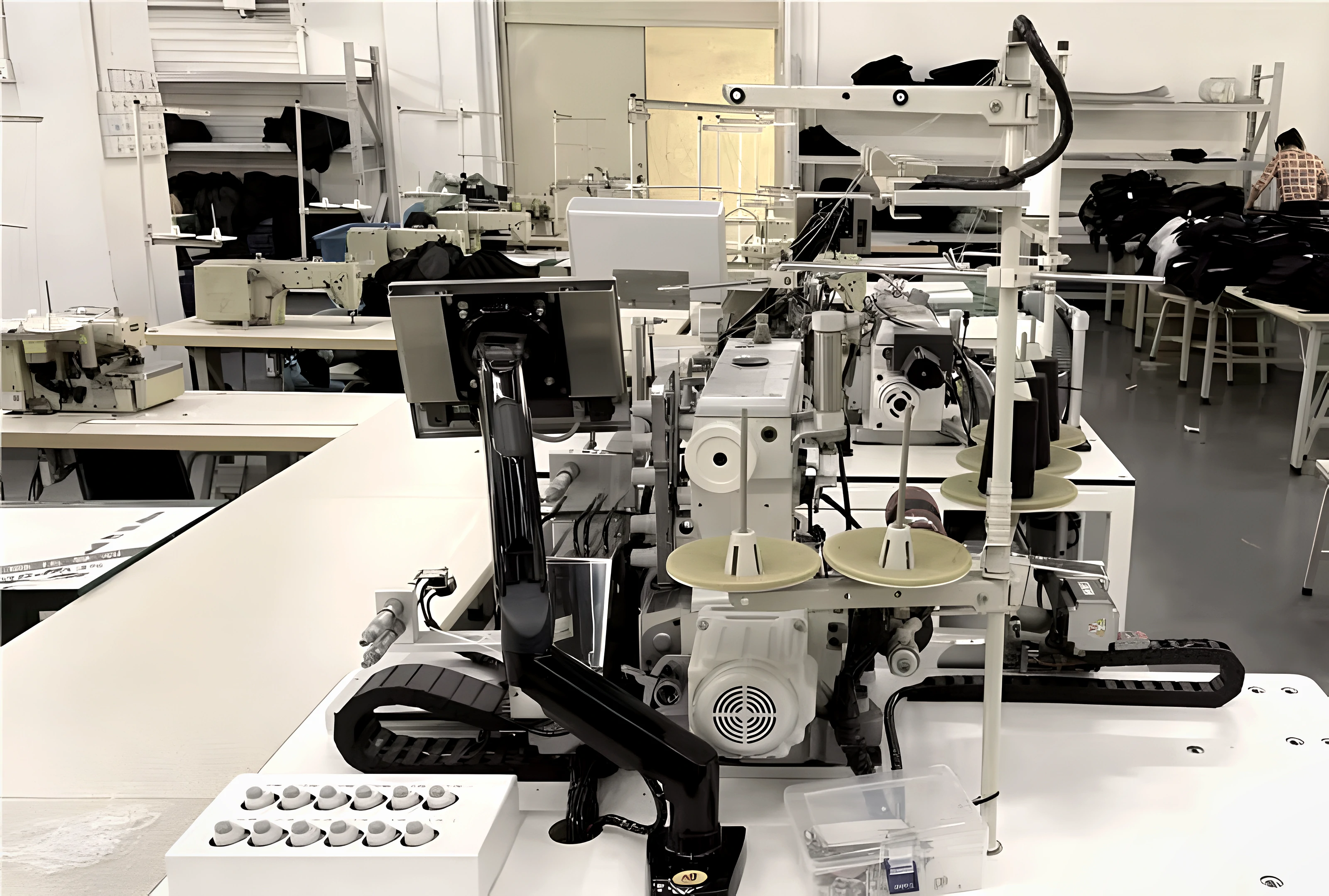
Small batch is a plan, not a promise.
A manufacturer's minimum is rarely arbitrary. It is the quantity at which fabric minimums, line set-up and development cost make a style viable. Small-batch production works when the style is planned around those constraints — not when a factory simply agrees to any number and then cuts corners to make it pay.
MANLOR plans small runs with you: which fabrics can be bought in short lengths, how many colours a style can carry, which constructions set up efficiently. The minimum for each style is then confirmed in writing before sampling, and the quality gates are the same as for any other order.
Where small batches make sense.
-
01
First capsules
A focused launch of a few hero styles to test fit, price and demand.
-
02
Test styles
A new category or silhouette produced in a limited run before committing to depth.
-
03
Re-orders
Repeat runs of best-sellers on locked patterns, sized to sell-through.
-
04
Shared-fabric ranges
Several styles cut from one fabric so its minimum is met across the range.
-
05
Private label starts
Base styles with resolved fit, customised in fabric, colour and labels.
What makes a smaller run possible.
| Factor | Allows a smaller run | Usually needs a larger run |
|---|---|---|
| Fabric | Fabric available from stock or market lengths | Custom-dyed or developed fabric with mill minimums |
| Colours | One or two colours per style | Many colours, each a separate dye lot and cutting run |
| Construction | Fewer operations, standard finishes | Tailored coats, full linings, hand finishing |
| Trims | Stock buttons, zips and labels | Custom trims with their own minimums |
| Knitwear | Yarn colours held by the spinner | Custom-dyed yarn lots |
General planning factors. MANLOR confirms each style's minimum in writing, by fabric, colour count and construction.
How we plan a small run.
- 01 · Share quantities
Tell us your target quantity per style and colour with the brief.
- 02 · Check the constraints
We identify the fabric, trim and construction minimums that apply.
- 03 · Confirm in writing
Minimum, unit cost and sample fees confirmed per style before sampling.
- 04 · Same gates as bulk
Sealed PP sample, inline checks and final inspection apply to every run.
What does not change.
The standard
A small run is measured and inspected against the sealed sample like any other order.
Honest unit cost
Set-up is spread across fewer pieces, so unit cost is usually higher; we show why.
A path to scale
Patterns and specs are locked, so a successful style re-orders without redevelopment.
Recommended qualities.
Reference fabrics from our library — or develop your own.
Custom fabric developmentSmall-Batch Production FAQ.
What starting quantity applies when the fabric is already in stock?
When the fabric is already in stock or available in market lengths, a typical start is 100–150 pieces per style per colour: 150 as the standard, 100 on selected stock fabrics. Custom-dyed cloth follows the mill minimum, 800–1,300 metres per colour. The figure for your style is confirmed in writing before sampling.
Does a 100-piece order still need a sealed PP sample?
Yes. A 100-piece order uses the same sealed pre-production sample, in bulk fabric and trims, as any larger run. Inline checks and final AQL inspection are not reduced because the quantity is small.
What is your minimum for a small batch?
For stock or market fabric, a typical start is 100–150 pieces per style. Custom cloth, more colours or a tailored construction usually need more. The figure is confirmed per style in writing before sampling.
Is the unit price higher for small batches?
Usually, yes. Line set-up, cutting and development are spread across fewer pieces. Sharing fabrics across styles and limiting colours are the most effective ways to narrow the gap.
Do you sell stock garments in small quantities?
No. Every run is cut and sewn for your brand; nothing is held in stock or sold off the shelf.
Is quality control lighter on small orders?
No. The same sealed PP sample, inline checks and final inspection apply whatever the quantity.
Go deeper.
How Clothing Manufacturer MOQ Works
A manufacturer's MOQ is rarely arbitrary. It is the quantity at which fabric minimums, line set-up and sampling cost make a style viable. Understand the drivers and you can plan around them.
Read the guideFor FoundersFor Fashion Founders
Clothing manufacturer for fashion founders and startups — private label from proven blocks, ODM for exclusive styles, written sample fees and MOQ, sealed PP before bulk.
ExploreFor DTC BrandsFor DTC Brands
OEM and ODM clothing manufacturing for DTC fashion brands — consistent fit across re-orders, core-style replenishment, size-curve planning and e-commerce-ready packing.
ExploreSubmit a development brief.
Product, fabric, quantity and timing — a complete brief gets a precise proposal.
What are you looking to develop?
Plan a Small Batch